Buy kohlenhydrate.eu ?
We are moving the project
kohlenhydrate.eu .
Are you interested in purchasing the domain
kohlenhydrate.eu ?
domain@kv-gmbh.de · 0541-91531010
Buy kohlenhydrate.eu ?
Which plants contain sugar?
Plants that contain sugar include fruits such as apples, oranges, and grapes, as well as vegetables like carrots, beets, and sweet potatoes. Additionally, sugar can also be found in sugarcane, sugar beets, and maple trees, which are used to produce maple syrup. These plants contain natural sugars such as fructose, glucose, and sucrose, which provide sweetness and energy when consumed. **
How do plants produce sugar?
Plants produce sugar through a process called photosynthesis. During photosynthesis, plants use sunlight, carbon dioxide, and water to produce glucose (sugar) and oxygen. The chlorophyll in plant cells absorbs sunlight and converts it into chemical energy, which is used to combine carbon dioxide from the air with water from the soil to create glucose. This glucose is then used by the plant for energy and growth, as well as stored for later use. **


Similar search terms for Plants
Top-Angebote
Products related to Plants:
-
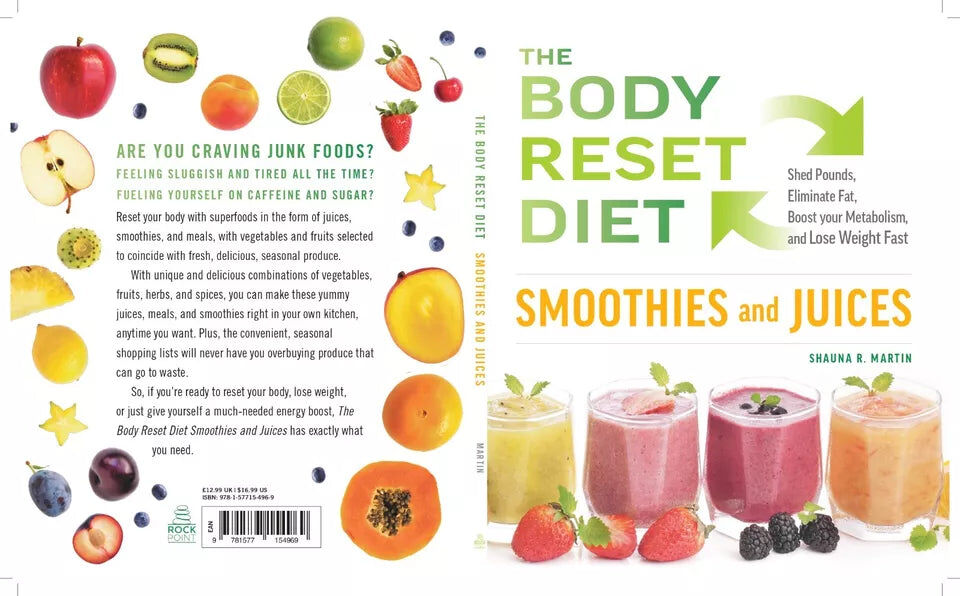
Rock Point The Body Reset Diet Smoothies and Juices by Shauna R. Martin - Paperback Diet & Nutrition Cookbook for Weight Loss and EnergyThe Body Reset Diet Smoothies and Juices by Shauna R. Martin is a practical guide to help you reset your cravings, boost energy, and support a healthier weight. This brand-new paperback book is packed with vibrant juice, smoothie, and light-meal recipes built around fresh, seasonal produce. The recipes are organized around what's in season, making it easy to incorporate healthy eating into your daily routine. Shauna R. Martin pairs vegetables and fruits with herbs and spices to create juice and smoothie combinations that are genuinely enjoyable and help curb junk-food cravings while delivering lasting, natural energy. This book is ideal for anyone looking to start a wellness journey or for busy households and gift buyers.2,99 £*Shipping: 2,99 £Secure redirect to the provider
-
Orion Davina's Smart Carbs: Eat Carbs and Still Lose Weight by Davina McCall - New Paperback Diet Cookbook with 5-Week Smart Carb PlanDavina's Smart Carbs: Eat Carbs and Still Lose Weight is a practical diet cookbook from TV presenter Davina McCall. Following her bestselling sugar-free cookbook, Davina turns to carbohydrates, proving you don't have to give up bread, pasta, and potatoes to lose weight. Packed with a five-week smart carb plan and dozens of satisfying recipes, this paperback is designed for busy home cooks who want realistic, sustainable weight loss without deprivation. Davina explains why our bodies need carbohydrates and how choosing the right kind can curb cravings, banish energy slumps, and keep hunger at bay without the guilt. The book's centrepiece is a five-week smart carb meal planner, designed to make healthy eating simple for real families.6,49 £*Shipping: 2,99 £Secure redirect to the provider
-
RHS Propagating Plants: How to Create New Plants For Free (New Edition) - Non Fiction - Hardback DKFill your garden with beautiful plants for next-to-nothing Do you long to grow your own plants from scratch? This complete guide from the experts at the RHS will teach you how to propagate every type of plant. If you're a thrifty gardener who wants more plants for free, then this book is perfect for you! From fruit trees and ornamental shrubs to exotic orchids and succulents, get all the info you need to propagate 1,500+ garden plants. Crammed with hundreds of step-by-step tutorials and clear advice, ranging from straightforward and simple to more in-depth and challenging. The rating system in the plant-by-plant A-Z dictionaries provides you with a quick reference to the relative ease or difficulty of each method of propagation. How long do your seedlings need to germinate? What makes a healthy stem cutting? How do you know what type of rootstock to use when grafting plants? Find out the answer to these questions and more in the most comprehensive guide to propagating plants ever published.12,99 £*Shipping: 2,99 £Secure redirect to the provider
-
Dabur Basil Toothpaste 19 Medicinal PlantsHealth and Beauty Oral Care Dabur Basil Toothpaste 19 Medicinal Plants Dabur Products sold in the USA and Canada have specific formulations, specific usage and specific labeling requirements. Pictures and Descriptions of Products shown on other Dabur Group Websites are for general reference only and may not be available for sale in the USA and Canada. Pictures and descriptions of products shown on other Dabur Group websites have no bearing on products that are sold in the USA and Canada, and should not be used as a reference for usage or product attributes. Products that are sold are in the USA and Canada are specifically made and packaged keeping in mind the regulatory environment in North America.4,37 £*Shipping: 3,99 £Secure redirect to the provider



-
Why are plants energy converters?
Plants are energy converters because they have the ability to convert sunlight into chemical energy through the process of photosynthesis. During photosynthesis, plants use sunlight to convert carbon dioxide and water into glucose, which is a form of chemical energy that the plant can use for growth and development. This process allows plants to harness the energy from the sun and convert it into a usable form that can be stored and used for various metabolic processes within the plant. **
-
Which fiber-rich plants can turtles eat?
Turtles can eat a variety of fiber-rich plants, including dark leafy greens such as kale, collard greens, and dandelion greens. They can also eat vegetables like carrots, squash, and bell peppers, which are high in fiber. Additionally, plants like hibiscus, mulberry leaves, and clover can provide turtles with the fiber they need in their diet. It's important to offer a diverse range of fiber-rich plants to ensure that turtles receive a balanced diet. **
-
Why do plants wilt in sugar solution?
Plants wilt in sugar solution because the high concentration of sugar in the solution creates a hypertonic environment. This means that there is a higher concentration of solutes outside the plant cells than inside, causing water to move out of the cells through osmosis. As a result, the plant cells lose water and become dehydrated, leading to wilting. Additionally, the high sugar concentration can also disrupt the balance of nutrients and water uptake in the plant, further contributing to wilting. **
-
How is the energy conversion in gas power plants and solar power plants carried out?
In gas power plants, the energy conversion process begins with the combustion of natural gas to produce high-temperature and high-pressure gas. This gas is then used to spin a turbine, which is connected to a generator to produce electricity. In solar power plants, energy conversion occurs when sunlight is captured by solar panels, which then convert the sunlight into direct current (DC) electricity. This electricity is then converted into alternating current (AC) electricity using inverters, and then it is sent to the grid for distribution. Both gas and solar power plants ultimately convert their respective energy sources into electricity for use in homes, businesses, and industries. **


What energy conversions take place in biogas plants?
In biogas plants, the primary energy conversion that takes place is the conversion of organic waste materials, such as food scraps or animal manure, into biogas through a process called anaerobic digestion. During this process, microorganisms break down the organic matter in the absence of oxygen, producing methane and carbon dioxide as byproducts. The biogas can then be used as a renewable energy source for heating, electricity generation, or as a vehicle fuel. Overall, biogas plants play a crucial role in converting organic waste into a valuable energy resource while also reducing greenhouse gas emissions. **
What are cruciferous plants, mint family plants, and leguminous plants?
Cruciferous plants are a group of vegetables that belong to the Brassicaceae family, including broccoli, cauliflower, cabbage, and kale. Mint family plants, also known as Lamiaceae family, include herbs like mint, basil, rosemary, and oregano. Leguminous plants are members of the Fabaceae family and are known for their ability to fix nitrogen in the soil, including beans, peas, lentils, and peanuts. Each of these plant families includes a variety of edible plants that are commonly used in cooking and gardening. **
Top-Angebote
Products related to Plants:
-
Zoblit Ltd The 6 Week Challenge Blood Sugar Diet by Cook Vitality - Paperback Diet & Recipe Book for Balancing Blood Sugar and EnergyThe 6 Week Challenge Blood Sugar Diet by Cook Vitality is a practical, beginner-friendly guide to managing blood sugar through everyday meals. This paperback book combines simple recipes, grocery lists, and clear nutrition guidance to help readers build steady energy and healthier habits. The book is designed for busy households and provides approachable language, realistic meal ideas, and portion guidance to make diet change more accessible. It lays out a clear, step-by-step six-week programme centred on stable blood sugar, sustained energy, and long-term healthy eating habits. Each stage of the plan introduces a focus area, such as protein-rich breakfasts and fibre-packed meals, to help readers take control of their blood sugar and overall wellbeing.4,49 £*Shipping: 2,99 £Secure redirect to the provider
-
Rock Point The Body Reset Diet Smoothies and Juices by Shauna R. Martin - Paperback Diet & Nutrition Cookbook for Weight Loss and EnergyThe Body Reset Diet Smoothies and Juices by Shauna R. Martin is a practical guide to help you reset your cravings, boost energy, and support a healthier weight. This brand-new paperback book is packed with vibrant juice, smoothie, and light-meal recipes built around fresh, seasonal produce. The recipes are organized around what's in season, making it easy to incorporate healthy eating into your daily routine. Shauna R. Martin pairs vegetables and fruits with herbs and spices to create juice and smoothie combinations that are genuinely enjoyable and help curb junk-food cravings while delivering lasting, natural energy. This book is ideal for anyone looking to start a wellness journey or for busy households and gift buyers.2,99 £*Shipping: 2,99 £Secure redirect to the provider
-
Orion Davina's Smart Carbs: Eat Carbs and Still Lose Weight by Davina McCall - New Paperback Diet Cookbook with 5-Week Smart Carb PlanDavina's Smart Carbs: Eat Carbs and Still Lose Weight is a practical diet cookbook from TV presenter Davina McCall. Following her bestselling sugar-free cookbook, Davina turns to carbohydrates, proving you don't have to give up bread, pasta, and potatoes to lose weight. Packed with a five-week smart carb plan and dozens of satisfying recipes, this paperback is designed for busy home cooks who want realistic, sustainable weight loss without deprivation. Davina explains why our bodies need carbohydrates and how choosing the right kind can curb cravings, banish energy slumps, and keep hunger at bay without the guilt. The book's centrepiece is a five-week smart carb meal planner, designed to make healthy eating simple for real families.6,49 £*Shipping: 2,99 £Secure redirect to the provider
-
Which plants contain sugar?
Plants that contain sugar include fruits such as apples, oranges, and grapes, as well as vegetables like carrots, beets, and sweet potatoes. Additionally, sugar can also be found in sugarcane, sugar beets, and maple trees, which are used to produce maple syrup. These plants contain natural sugars such as fructose, glucose, and sucrose, which provide sweetness and energy when consumed. **
-
How do plants produce sugar?
Plants produce sugar through a process called photosynthesis. During photosynthesis, plants use sunlight, carbon dioxide, and water to produce glucose (sugar) and oxygen. The chlorophyll in plant cells absorbs sunlight and converts it into chemical energy, which is used to combine carbon dioxide from the air with water from the soil to create glucose. This glucose is then used by the plant for energy and growth, as well as stored for later use. **
-
Why are plants energy converters?
Plants are energy converters because they have the ability to convert sunlight into chemical energy through the process of photosynthesis. During photosynthesis, plants use sunlight to convert carbon dioxide and water into glucose, which is a form of chemical energy that the plant can use for growth and development. This process allows plants to harness the energy from the sun and convert it into a usable form that can be stored and used for various metabolic processes within the plant. **
-
Which fiber-rich plants can turtles eat?
Turtles can eat a variety of fiber-rich plants, including dark leafy greens such as kale, collard greens, and dandelion greens. They can also eat vegetables like carrots, squash, and bell peppers, which are high in fiber. Additionally, plants like hibiscus, mulberry leaves, and clover can provide turtles with the fiber they need in their diet. It's important to offer a diverse range of fiber-rich plants to ensure that turtles receive a balanced diet. **
Similar search terms for Plants
-
RHS Propagating Plants: How to Create New Plants For Free (New Edition) - Non Fiction - Hardback DKFill your garden with beautiful plants for next-to-nothing Do you long to grow your own plants from scratch? This complete guide from the experts at the RHS will teach you how to propagate every type of plant. If you're a thrifty gardener who wants more plants for free, then this book is perfect for you! From fruit trees and ornamental shrubs to exotic orchids and succulents, get all the info you need to propagate 1,500+ garden plants. Crammed with hundreds of step-by-step tutorials and clear advice, ranging from straightforward and simple to more in-depth and challenging. The rating system in the plant-by-plant A-Z dictionaries provides you with a quick reference to the relative ease or difficulty of each method of propagation. How long do your seedlings need to germinate? What makes a healthy stem cutting? How do you know what type of rootstock to use when grafting plants? Find out the answer to these questions and more in the most comprehensive guide to propagating plants ever published.12,99 £*Shipping: 2,99 £Secure redirect to the provider
-
Dabur Basil Toothpaste 19 Medicinal PlantsHealth and Beauty Oral Care Dabur Basil Toothpaste 19 Medicinal Plants Dabur Products sold in the USA and Canada have specific formulations, specific usage and specific labeling requirements. Pictures and Descriptions of Products shown on other Dabur Group Websites are for general reference only and may not be available for sale in the USA and Canada. Pictures and descriptions of products shown on other Dabur Group websites have no bearing on products that are sold in the USA and Canada, and should not be used as a reference for usage or product attributes. Products that are sold are in the USA and Canada are specifically made and packaged keeping in mind the regulatory environment in North America.4,37 £*Shipping: 3,99 £Secure redirect to the provider
-
Biform Plants And Algae 60 CapsulesNutrition and Supplements Special supplements Biform Plants And Algae 60 Capsules Nutritional complement based on bladderwrack, dandelion, ponytail and birch that helps in the excretory and draining functions. Instructions for use: Take 4 capsules twice a day, preferably before meals.15,26 £*Shipping: 3,99 £Secure redirect to the provider
-
Fleurymer Massage oil plants 250 mlHealth and Beauty First aid kit Fleurymer Massage oil plants 250 ml Arnica and natural extracts. Indications: Preparation, warming, easing muscular athletes and people prone to overload and muscle stress. Active principles: Arnica, thyme, camomile, Menthol and extract Salicin, which together exert calming effect, thermal and descontracturante. How to use: Massaging the areas that are required, as often as necessary. Do not use in children under 4 years. Avoid areas and irritable eyes.7,19 £*Shipping: 3,99 £Secure redirect to the provider
-
Why do plants wilt in sugar solution?
Plants wilt in sugar solution because the high concentration of sugar in the solution creates a hypertonic environment. This means that there is a higher concentration of solutes outside the plant cells than inside, causing water to move out of the cells through osmosis. As a result, the plant cells lose water and become dehydrated, leading to wilting. Additionally, the high sugar concentration can also disrupt the balance of nutrients and water uptake in the plant, further contributing to wilting. **
-
How is the energy conversion in gas power plants and solar power plants carried out?
In gas power plants, the energy conversion process begins with the combustion of natural gas to produce high-temperature and high-pressure gas. This gas is then used to spin a turbine, which is connected to a generator to produce electricity. In solar power plants, energy conversion occurs when sunlight is captured by solar panels, which then convert the sunlight into direct current (DC) electricity. This electricity is then converted into alternating current (AC) electricity using inverters, and then it is sent to the grid for distribution. Both gas and solar power plants ultimately convert their respective energy sources into electricity for use in homes, businesses, and industries. **
-
What energy conversions take place in biogas plants?
In biogas plants, the primary energy conversion that takes place is the conversion of organic waste materials, such as food scraps or animal manure, into biogas through a process called anaerobic digestion. During this process, microorganisms break down the organic matter in the absence of oxygen, producing methane and carbon dioxide as byproducts. The biogas can then be used as a renewable energy source for heating, electricity generation, or as a vehicle fuel. Overall, biogas plants play a crucial role in converting organic waste into a valuable energy resource while also reducing greenhouse gas emissions. **
-
What are cruciferous plants, mint family plants, and leguminous plants?
Cruciferous plants are a group of vegetables that belong to the Brassicaceae family, including broccoli, cauliflower, cabbage, and kale. Mint family plants, also known as Lamiaceae family, include herbs like mint, basil, rosemary, and oregano. Leguminous plants are members of the Fabaceae family and are known for their ability to fix nitrogen in the soil, including beans, peas, lentils, and peanuts. Each of these plant families includes a variety of edible plants that are commonly used in cooking and gardening. **
* All prices are inclusive of VAT and, if applicable, plus shipping costs. The offer information is based on the details provided by the respective shop and is updated through automated processes. Real-time updates do not occur, so deviations can occur in individual cases. ** Note: Parts of this content were created by AI.