Buy kohlenhydrate.eu ?
We are moving the project
kohlenhydrate.eu .
Are you interested in purchasing the domain
kohlenhydrate.eu ?
domain@kv-gmbh.de · 0541-91531010
Buy kohlenhydrate.eu ?
What is the difference between copper cables, twisted-pair cables, fiber optic cables, and coaxial cables?
Copper cables are made of copper wire and are commonly used for transmitting electrical signals. Twisted-pair cables consist of pairs of insulated copper wires twisted together, which helps reduce electromagnetic interference. Fiber optic cables use thin strands of glass or plastic to transmit data using light pulses, allowing for high-speed and long-distance transmission. Coaxial cables have a central conductor surrounded by an insulating layer, a conductive shield, and an outer insulating layer, and are commonly used for cable television and internet connections. Each type of cable has its own advantages and is used for different purposes based on their unique characteristics. **
Do fiber optic cables transmit data faster than copper cables?
Yes, fiber optic cables transmit data faster than copper cables. This is because fiber optic cables use light to transmit data, which travels at a much higher speed than the electrical signals used in copper cables. Additionally, fiber optic cables have a higher bandwidth capacity, allowing them to transmit more data at faster speeds compared to copper cables. Overall, fiber optic cables are considered to be more efficient and faster in transmitting data over long distances. **


Similar search terms for Cables
Top-Angebote
Products related to Cables:
-
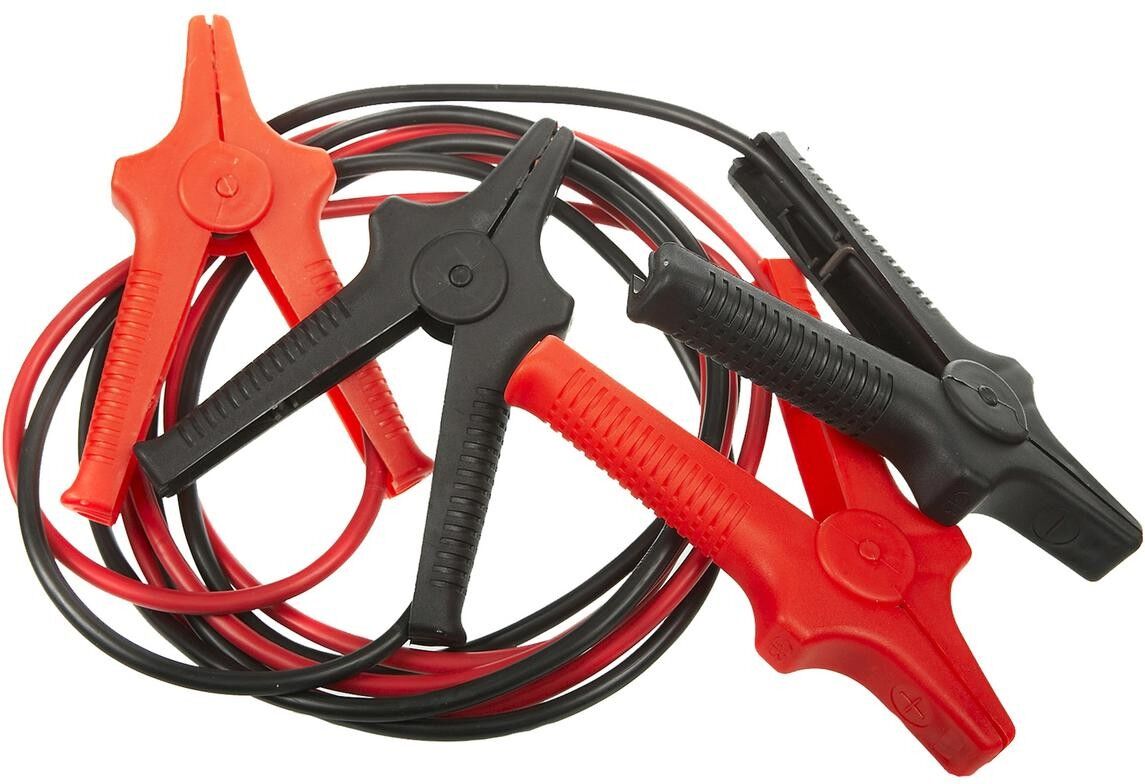
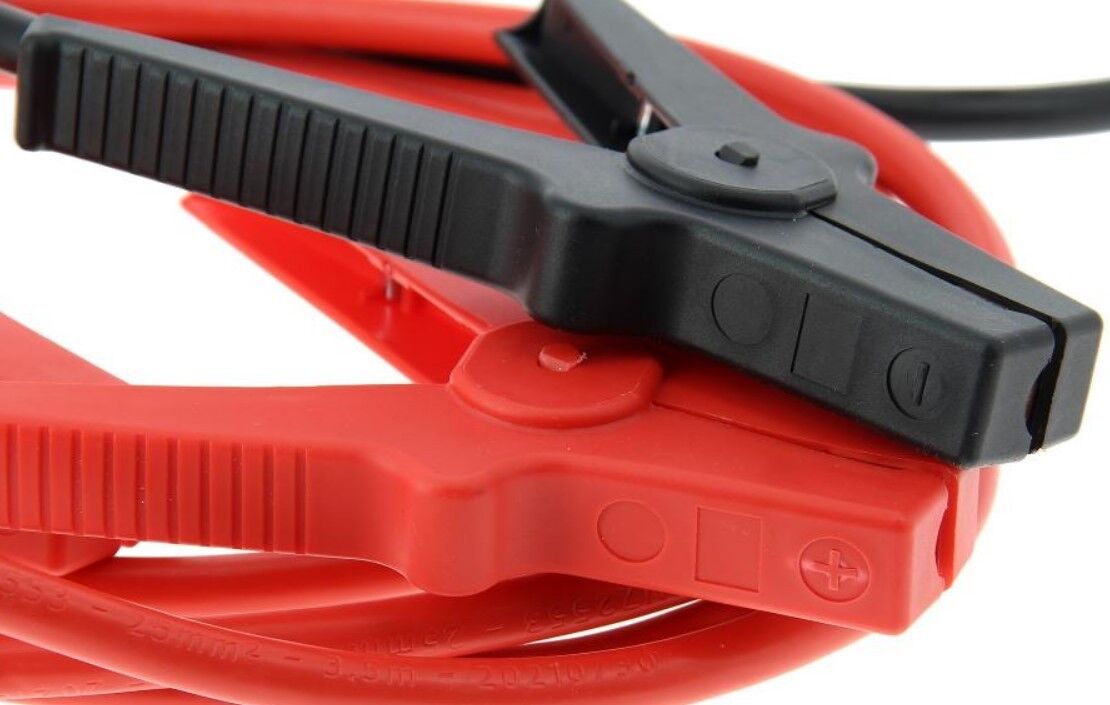
XL 551032 Jumper cablesLength [m]: 3.5; Material: Copper; for petrol engines to capacity [ccm]: 5500; for diesel engines to capacity [ccm]: 3000; Insulated: ; Supplementary Article / Supplementary Info Info 2: with storage bag, with overvoltage protection; Vehicle type: Passenger cars; Cable Cross Section [mm²]: 25; suited for engine type: Diesel, Petrol Engine62,49 £*Shipping: 8,45 £Secure redirect to the provider
-
Michelin 009513 Jumper cablesCable Colour: red/black; Cable Length [m]: 3.5; Cable Cross Section [mm²]: 25; suited for engine type: Petrol Engine, Diesel; for petrol engines to capacity [ccm]: 5500; DIN/ISO: DIN 72553; Vehicle Equipment: for vehicles with start-stop function; for diesel engines to capacity [ccm]: 300059,49 £*Shipping: 8,45 £Secure redirect to the provider


-
How do fiber optic cables work?
Fiber optic cables work by transmitting data as pulses of light through thin strands of glass or plastic. The core of the cable is surrounded by a cladding material that reflects the light back into the core, allowing it to travel long distances without losing its strength. At the receiving end, the light pulses are converted back into electrical signals for use by electronic devices. This method of data transmission allows for high-speed, high-capacity communication and is widely used in telecommunications and internet infrastructure. **
-
Do fiber optic cables get old?
Yes, fiber optic cables can degrade over time due to factors such as physical stress, environmental conditions, and manufacturing defects. Over time, the cables may experience signal loss, increased attenuation, and potential breakage. However, with proper installation, maintenance, and regular inspections, fiber optic cables can have a long lifespan and continue to provide reliable performance for many years. **
-
Why are fiber optic cables preferred over coaxial cables for long distances?
Fiber optic cables are preferred over coaxial cables for long distances because they have a much higher bandwidth capacity, allowing for faster data transmission over longer distances without signal degradation. Additionally, fiber optic cables are not susceptible to electromagnetic interference, making them more reliable for long-distance communication. They are also lighter and smaller in diameter than coaxial cables, making them easier to install and maintain over long distances. **
-
Why are the copper cables not being replaced by fiber optic cables?
Copper cables are not being replaced by fiber optic cables for a few reasons. Firstly, the cost of replacing all existing copper cables with fiber optic cables is extremely high. Secondly, the infrastructure for copper cables is already in place and replacing it would require a significant amount of time and resources. Additionally, for some applications, such as short-distance connections, copper cables are still sufficient and cost-effective. Finally, the transition to fiber optic cables would also require upgrades to networking equipment and technology, which can be a complex and time-consuming process. **


What are fiber optic cables made of?
Fiber optic cables are made of thin strands of glass or plastic fibers that are bundled together to transmit data in the form of light pulses. The core of the cable is made of the glass or plastic fiber, which is surrounded by a cladding material that helps to reflect the light back into the core. The outer layer of the cable is typically made of a protective material like Kevlar to provide strength and durability. **
How can one bury fiber optic cables?
Fiber optic cables can be buried using a trenching machine to dig a narrow trench in the ground, typically about 2-3 feet deep. The cables are then placed in the trench and covered with soil. It's important to ensure that the cables are buried at the correct depth to protect them from damage and to comply with local regulations. Additionally, warning tape or markers can be placed above the buried cables to indicate their presence and prevent accidental damage during future excavation work. **
Top-Angebote
Products related to Cables:
-
XL 551030 Jumper cablesLength [m]: 2.5; Material: Copper; for petrol engines to capacity [ccm]: 1500; Insulated: ; Supplementary Article / Supplementary Info Info 2: with storage bag, with overvoltage protection; Vehicle type: Passenger cars; Cable Cross Section [mm²]: 10; suited for engine type: Petrol Engine29,99 £*Shipping: 8,45 £Secure redirect to the provider
-
XL 551031 Jumper cablesLength [m]: 3; Material: Copper; for petrol engines to capacity [ccm]: 2500; Insulated: ; Supplementary Article / Supplementary Info Info 2: with storage bag, with overvoltage protection; Vehicle type: Passenger cars; Cable Cross Section [mm²]: 16; suited for engine type: Petrol Engine41,99 £*Shipping: 8,45 £Secure redirect to the provider
-
XL 551032 Jumper cablesLength [m]: 3.5; Material: Copper; for petrol engines to capacity [ccm]: 5500; for diesel engines to capacity [ccm]: 3000; Insulated: ; Supplementary Article / Supplementary Info Info 2: with storage bag, with overvoltage protection; Vehicle type: Passenger cars; Cable Cross Section [mm²]: 25; suited for engine type: Diesel, Petrol Engine62,49 £*Shipping: 8,45 £Secure redirect to the provider
-
What is the difference between copper cables, twisted-pair cables, fiber optic cables, and coaxial cables?
Copper cables are made of copper wire and are commonly used for transmitting electrical signals. Twisted-pair cables consist of pairs of insulated copper wires twisted together, which helps reduce electromagnetic interference. Fiber optic cables use thin strands of glass or plastic to transmit data using light pulses, allowing for high-speed and long-distance transmission. Coaxial cables have a central conductor surrounded by an insulating layer, a conductive shield, and an outer insulating layer, and are commonly used for cable television and internet connections. Each type of cable has its own advantages and is used for different purposes based on their unique characteristics. **
-
Do fiber optic cables transmit data faster than copper cables?
Yes, fiber optic cables transmit data faster than copper cables. This is because fiber optic cables use light to transmit data, which travels at a much higher speed than the electrical signals used in copper cables. Additionally, fiber optic cables have a higher bandwidth capacity, allowing them to transmit more data at faster speeds compared to copper cables. Overall, fiber optic cables are considered to be more efficient and faster in transmitting data over long distances. **
-
How do fiber optic cables work?
Fiber optic cables work by transmitting data as pulses of light through thin strands of glass or plastic. The core of the cable is surrounded by a cladding material that reflects the light back into the core, allowing it to travel long distances without losing its strength. At the receiving end, the light pulses are converted back into electrical signals for use by electronic devices. This method of data transmission allows for high-speed, high-capacity communication and is widely used in telecommunications and internet infrastructure. **
-
Do fiber optic cables get old?
Yes, fiber optic cables can degrade over time due to factors such as physical stress, environmental conditions, and manufacturing defects. Over time, the cables may experience signal loss, increased attenuation, and potential breakage. However, with proper installation, maintenance, and regular inspections, fiber optic cables can have a long lifespan and continue to provide reliable performance for many years. **
Similar search terms for Cables
-
Michelin 009513 Jumper cablesCable Colour: red/black; Cable Length [m]: 3.5; Cable Cross Section [mm²]: 25; suited for engine type: Petrol Engine, Diesel; for petrol engines to capacity [ccm]: 5500; DIN/ISO: DIN 72553; Vehicle Equipment: for vehicles with start-stop function; for diesel engines to capacity [ccm]: 300059,49 £*Shipping: 8,45 £Secure redirect to the provider
-
Why are fiber optic cables preferred over coaxial cables for long distances?
Fiber optic cables are preferred over coaxial cables for long distances because they have a much higher bandwidth capacity, allowing for faster data transmission over longer distances without signal degradation. Additionally, fiber optic cables are not susceptible to electromagnetic interference, making them more reliable for long-distance communication. They are also lighter and smaller in diameter than coaxial cables, making them easier to install and maintain over long distances. **
-
Why are the copper cables not being replaced by fiber optic cables?
Copper cables are not being replaced by fiber optic cables for a few reasons. Firstly, the cost of replacing all existing copper cables with fiber optic cables is extremely high. Secondly, the infrastructure for copper cables is already in place and replacing it would require a significant amount of time and resources. Additionally, for some applications, such as short-distance connections, copper cables are still sufficient and cost-effective. Finally, the transition to fiber optic cables would also require upgrades to networking equipment and technology, which can be a complex and time-consuming process. **
-
What are fiber optic cables made of?
Fiber optic cables are made of thin strands of glass or plastic fibers that are bundled together to transmit data in the form of light pulses. The core of the cable is made of the glass or plastic fiber, which is surrounded by a cladding material that helps to reflect the light back into the core. The outer layer of the cable is typically made of a protective material like Kevlar to provide strength and durability. **
-
How can one bury fiber optic cables?
Fiber optic cables can be buried using a trenching machine to dig a narrow trench in the ground, typically about 2-3 feet deep. The cables are then placed in the trench and covered with soil. It's important to ensure that the cables are buried at the correct depth to protect them from damage and to comply with local regulations. Additionally, warning tape or markers can be placed above the buried cables to indicate their presence and prevent accidental damage during future excavation work. **
* All prices are inclusive of VAT and, if applicable, plus shipping costs. The offer information is based on the details provided by the respective shop and is updated through automated processes. Real-time updates do not occur, so deviations can occur in individual cases. ** Note: Parts of this content were created by AI.